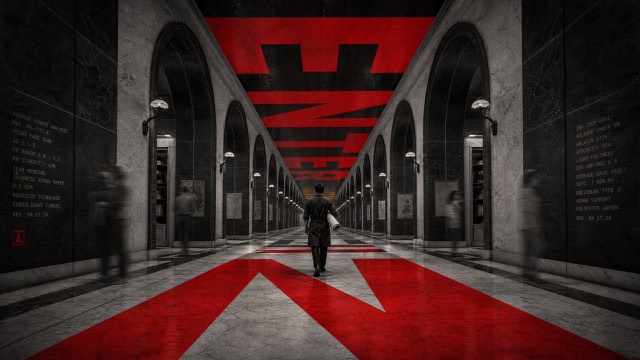
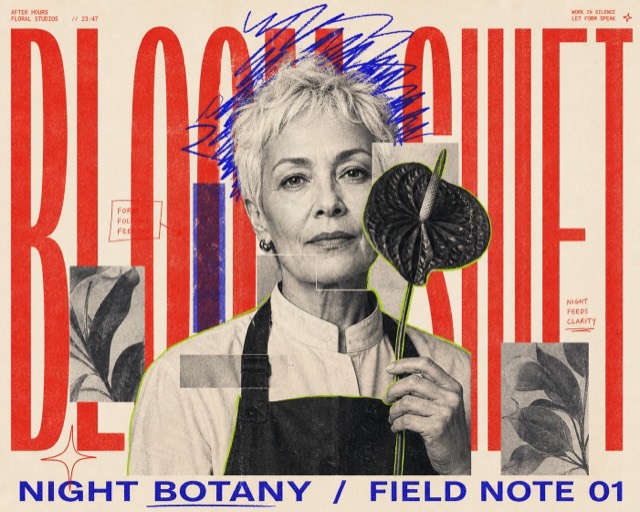
Editorial + Minimal · AI image style prompt
Red Monochrome Editorial Grid
Confrontational editorial posters with monumental condensed type, red-and-black duotone photography, rigid off-white gutters, and paper-like ink grain treated as equal grid modules.
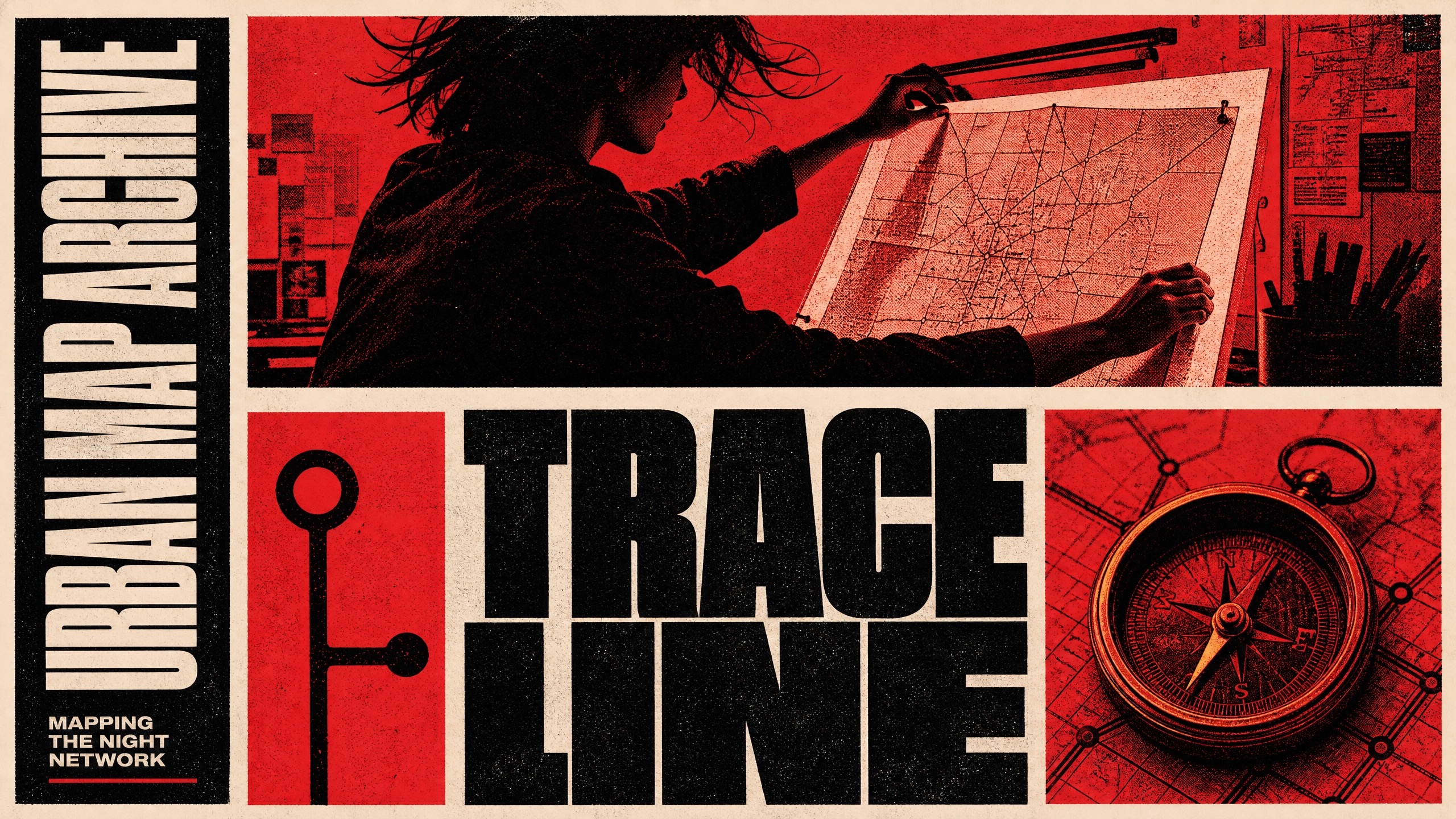
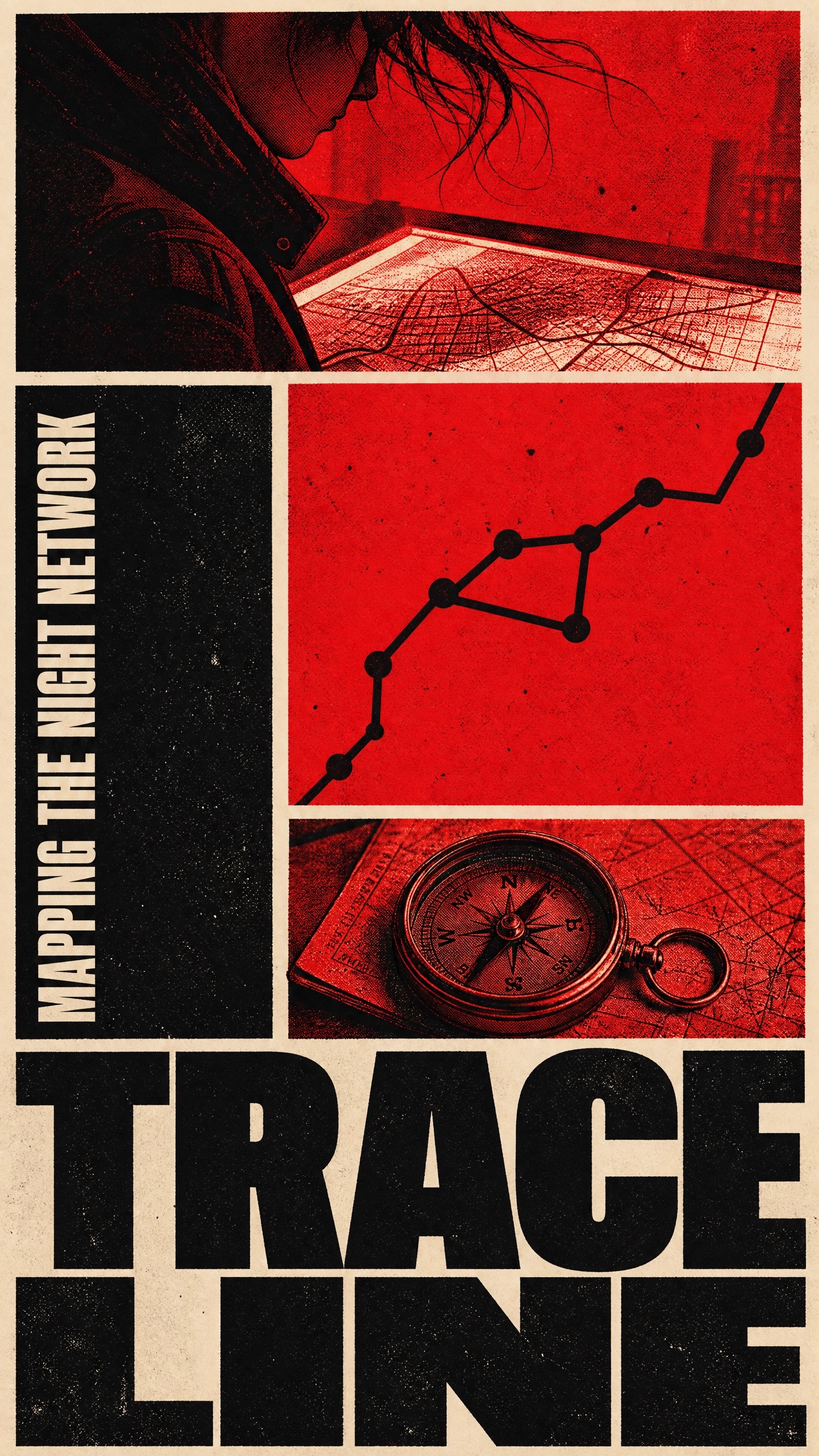
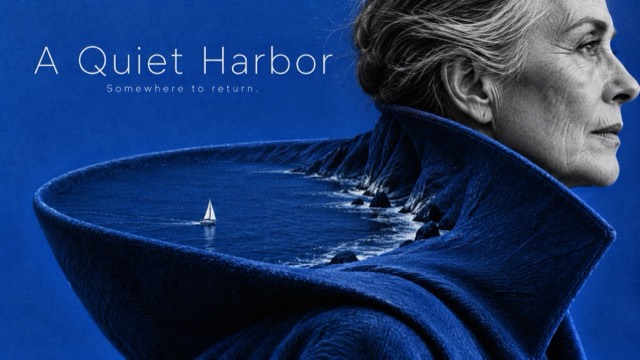
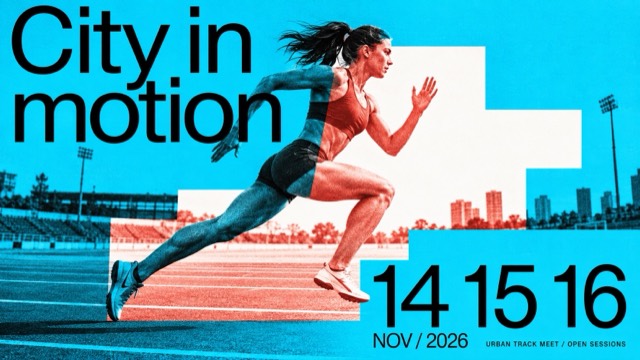
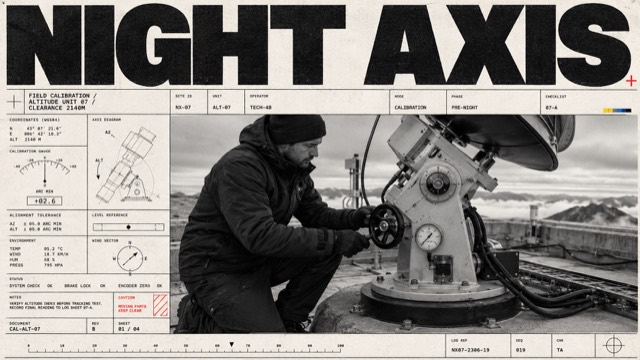
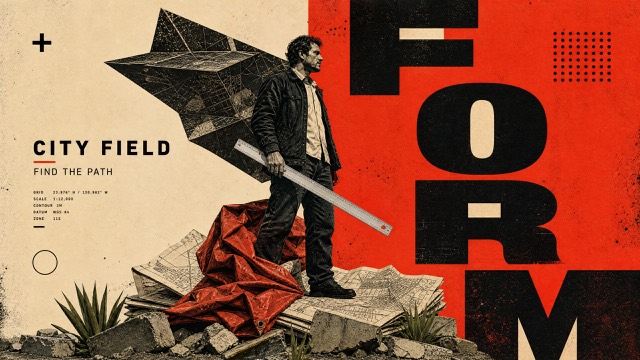
4 example cases
Same style.json, different subjects. Each case's values are in the examples section of the JSON.
What this style does
A confrontational editorial-poster system built from monumental condensed typography, red-and-black duotone photography, rigid off-white gutters, and paper-like ink grain. The design treats photographic crops and type blocks as equal grid modules rather than placing a single hero image behind type.
Signature traits
- Use a rigid modular poster grid separated by thick, imperfect off-white paper gutters that stay visible as structural lines.
- Treat the photo crops, black type fields, and red graphic fields as adjacent modules with hard rectangular boundaries.
- Use only ink-black, saturated signal red, and rough off-white paper, with no extra hue or smooth color gradient.
- Render photography as coarse high-contrast red-and-black duotone, with pronounced screenprint dots, xerox grain, and ink speckle.
- Crop subjects aggressively into fragments such as forehead, profile, shoulder, torso, object, or silhouette; do not make a conventionally centered beauty portrait.
- Set the main headline in extremely heavy condensed uppercase sans-serif, close to black, enlarged until it presses against module edges or crops slightly.
style.json
{
  "style_name": "Red Monochrome Editorial Grid",
  "style_slug": "red-monochrome-editorial-grid",
  "style_version": "custom-16x9-9x16-1.0",
  "style_summary": "A confrontational editorial-poster system built from monumental condensed typography, red-and-black duotone photography, rigid off-white gutters, and paper-like ink grain. The design treats photographic crops and type blocks as equal grid modules rather than placing a single hero image behind type.",
  "category": "Editorial + Minimal",
  "environment_variables": {
    "SUBJECT": "main subject",
    "SUBJECT_ACTION": "main action",
    "PRODUCT_OR_PROP": "object, product, or prop",
    "LOCATION": "environment or setting",
    "BACKGROUND_ELEMENTS": "secondary scene details",
    "MAIN_TEXT": "main headline or graphic text",
    "SECONDARY_TEXT": "supporting text",
    "ACCENT_SYMBOL": "decorative symbol",
    "WARDROBE_STYLE": "styling direction",
    "STYLE_FIDELITY_ANCHORS": "top-level style constants injected at render time",
    "SOURCE_CONTENT_TO_AVOID": "top-level content exclusions injected at render time",
    "ASPECT_RATIO": "16:9 or 9:16 injected at render time"
  },
  "style_fidelity_anchors": [
    "Use a rigid modular poster grid separated by thick, imperfect off-white paper gutters that stay visible as structural lines.",
    "Treat the photo crops, black type fields, and red graphic fields as adjacent modules with hard rectangular boundaries.",
    "Use only ink-black, saturated signal red, and rough off-white paper, with no extra hue or smooth color gradient.",
    "Render photography as coarse high-contrast red-and-black duotone, with pronounced screenprint dots, xerox grain, and ink speckle.",
    "Crop subjects aggressively into fragments such as forehead, profile, shoulder, torso, object, or silhouette; do not make a conventionally centered beauty portrait.",
    "Set the main headline in extremely heavy condensed uppercase sans-serif, close to black, enlarged until it presses against module edges or crops slightly.",
    "Let one or two giant word blocks create the visual base, while a smaller red insert panel provides a sharp secondary narrative fragment.",
    "Leave the off-white gutter system mostly unprinted so it acts as breathing room around the black and red modules.",
    "Use a small black pictogram, scan-like mark, or simplified silhouette as an occasional counterpoint to the huge type.",
    "The mood is blunt, restless, handmade, politically charged, and print-driven rather than glossy, cinematic, or clean corporate."
  ],
  "source_content_to_avoid": [
    "The reference person's recognizable face, exact close-up eyes, hand-over-mouth gesture, and any identity or likeness associated with the source.",
    "The exact phrase, word order, and lettering treatment of the reference headline.",
    "The reference's particular split-eye panel, hand-to-face crop, and bottom-line arrangement as a single repeated composition.",
    "Any source brand, artist credit, logo, watermark, social handle, QR code, or signature.",
    "The source's story premise of self-conflict, confrontation with a mirror self, or an emotional face-and-hand confession scene.",
    "Any copied clothing, facial hair, eyewear, color grading detail, or individual visual identity from the source.",
    "Exact pixel positions, letter shapes, illustration details, or secondary figure from the reference."
  ],
  "visual_deconstruction": "The reference organizes visual pressure through a hard modular grid. Cream paper gutters do not merely frame the poster; they divide the image into competing blocks of type and duotone photography. The headline is not overlaid on an image—it becomes a physical black mass occupying whole grid cells. The red photographic fields are radically cropped and held at the same graphic weight as the letters. A small red insert works like a visual footnote inside the typographic rhythm. High-frequency print grain turns flat red into an active surface and keeps the stripped palette tactile.",
  "composition": "Build a grid of three to six large modules with thick off-white gutters. In 16:9, use a wide upper image strip, one tall side block, a central type mass, a small red insert, and a heavy lower or side word block. In 9:16, stack a tall black type module, a cropped red photo module, a narrow pale gutter, and a large black title base, keeping the typography dominant. Do not copy the reference layout exactly: vary which module owns the top, side, and base. Use hard crop boundaries so an image fragment terminates at the gutter rather than fading into the page.",
  "typography": "Use super-heavy condensed uppercase sans-serif lettering, almost black with a dry printed texture. The main headline should be one or two invented short words, arranged as a massive block that touches or deliberately clips against its module edges. Supporting text, when used, is minimal, small, and aligned to a gutter or grid edge. Avoid script, elegant serif, thin geometric fonts, 3D type, or polished digital lettering.",
  "color_palette": "Approximately 55% ink-black type and dark photo information, 30% saturated signal red duotone imagery, and 15% warm off-white paper gutters. The red is dense, slightly uneven, and flecked with black. The paper is subtly fibrous and dirty-white, never bright white.",
  "image_treatment": "Use high-contrast editorial photography translated into rough red-and-black duotone screenprint. Keep anatomy and props recognizable beneath the grain, but let halftone dots, ink dropout, copied-paper texture, and irregular black specks create a tactile poster surface. Avoid photographic full color, smooth gradients, glossy retouching, or clean vector flatness.",
  "design_rules": [
    "Make the modular grid and off-white gutters visible before adding decorative detail.",
    "Give typography and photography equal visual mass; no small caption-style headline.",
    "Use cropped subject fragments that are contextually new, not the reference face, eyes, hand gesture, or conflict premise.",
    "Keep the palette strictly black, signal red, and warm off-white.",
    "Use only a sparse amount of supporting text and a single small symbolic insert.",
    "Adapt the grid for the requested ratio rather than stretching a portrait composition into landscape or vice versa."
  ],
  "do": [
    "Use uneven ink grain and high-contrast duotone image fragments.",
    "Let heavyweight text fill its module and press against the grid boundaries.",
    "Use hard-edged crops, thick paper gutters, and direct visual tension."
  ],
  "avoid": [
    "Do not reuse the source face, eyes, hand-to-face gesture, phrase, self-conflict concept, or exact layout.",
    "Do not introduce extra colors, glossy full-color photography, soft shadows, or sleek corporate gradients.",
    "Do not add busy microcopy, many icons, delicate typography, watermarks, or illegible accidental text."
  ],
  "prompt_template": "Create a finished {ASPECT_RATIO} editorial poster in the literal Red Monochrome Editorial Grid visual system. Subject: {SUBJECT}. Action: {SUBJECT_ACTION}. Prop/product: {PRODUCT_OR_PROP}. Location: {LOCATION}. Background: {BACKGROUND_ELEMENTS}. Main text: {MAIN_TEXT}. Secondary text: {SECONDARY_TEXT}. Accent symbol: {ACCENT_SYMBOL}. Wardrobe/styling: {WARDROBE_STYLE}. Preserve these observable style anchors: {STYLE_FIDELITY_ANCHORS}. Do not recreate these source-specific elements: {SOURCE_CONTENT_TO_AVOID}. Construct three to six hard rectangular modules separated by thick warm off-white paper gutters. Give giant condensed black uppercase typography and coarse red-black duotone photo fragments equal weight. Use print grain, halftone dots, ink dropout, xerox speckle, and lightly fibrous paper. Restrict the palette to ink-black, saturated signal red, and warm off-white. Crop subjects aggressively but keep the new subject, narrative, and module arrangement distinct from the reference. Maintain legible short headline text and a sparse, direct editorial hierarchy. Avoid glossy color, blue or green, gradients, source likeness, source phrase, source hand-to-face gesture, source eye crop, watermark, logo, QR code, extra ornate decoration, distorted anatomy, or unreadable type.",
  "negative_prompt": "No copied person, copied eyes, copied hand-to-face gesture, copied phrase, copied self-conflict premise, copied grid positions, logo, watermark, QR code, brand name, full-color photography, blue, green, purple, gradient, glossy product lighting, sleek UI, serif or script lettering, thin type, 3D text, crowded microcopy, extra panels, distorted anatomy, or illegible text.",
  "examples": [
    {
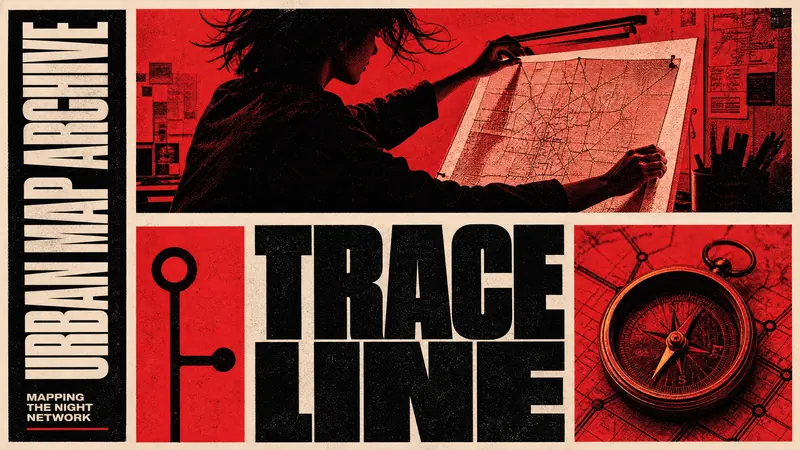
      "case_name": "transit-cartographer",
      "values": {
        "SUBJECT": "an anonymous urban cartographer with a close-cropped profile and wind-tossed hair",
        "SUBJECT_ACTION": "pinning a folded transit map to a light table",
        "PRODUCT_OR_PROP": "a folded monochrome city-route map with a brass drawing compass",
        "LOCATION": "a late shift in a municipal map archive",
        "BACKGROUND_ELEMENTS": "faint gridlines, a desk lamp silhouette, stacked paper plans",
        "MAIN_TEXT": "TRACE\nLINE",
        "SECONDARY_TEXT": "MAPPING THE NIGHT NETWORK",
        "ACCENT_SYMBOL": "SMALL ROUTE MARKER",
        "WARDROBE_STYLE": "black canvas work shirt with rolled sleeves"
      }
    },
    {
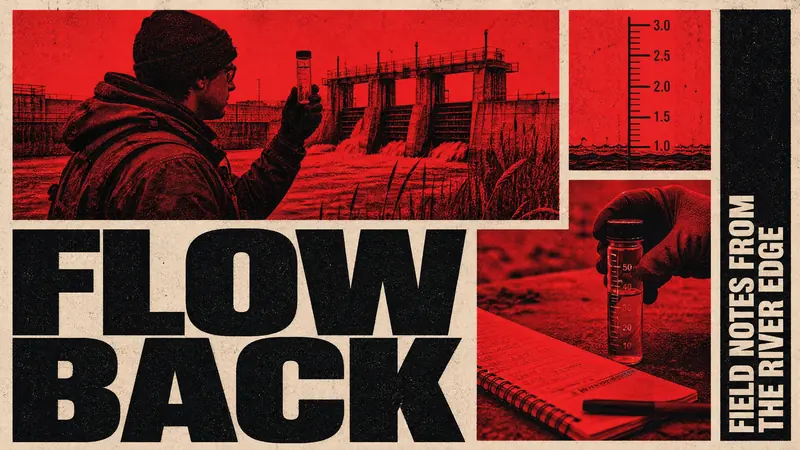
      "case_name": "river-restorer",
      "values": {
        "SUBJECT": "a river-restoration technician in profile with a determined expression",
        "SUBJECT_ACTION": "measuring a water sample against a marked vial",
        "PRODUCT_OR_PROP": "a clear sampling vial and battered field notebook",
        "LOCATION": "an industrial riverside at first light",
        "BACKGROUND_ELEMENTS": "sluice gates, distant reeds, angular pipe shadows",
        "MAIN_TEXT": "FLOW\nBACK",
        "SECONDARY_TEXT": "FIELD NOTES FROM THE RIVER EDGE",
        "ACCENT_SYMBOL": "WATER LEVEL TICK",
        "WARDROBE_STYLE": "dark utility jacket with a plain red knit collar"
      }
    },
    {
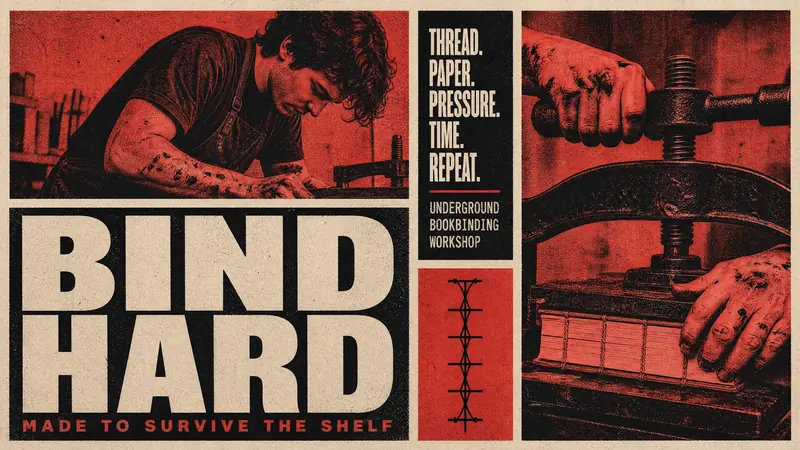
      "case_name": "bookbinder",
      "values": {
        "SUBJECT": "a young bookbinder with ink-stained forearms and an intent downward gaze",
        "SUBJECT_ACTION": "pressing a hand-sewn spine into a mechanical book press",
        "PRODUCT_OR_PROP": "a thick unmarked hand-bound volume and cast-iron press",
        "LOCATION": "a narrow basement bindery",
        "BACKGROUND_ELEMENTS": "paper stacks, thread spools, a clipped work light",
        "MAIN_TEXT": "BIND\nHARD",
        "SECONDARY_TEXT": "MADE TO SURVIVE THE SHELF",
        "ACCENT_SYMBOL": "STITCH MARK",
        "WARDROBE_STYLE": "charcoal apron over a plain long-sleeve shirt"
      }
    },
    {
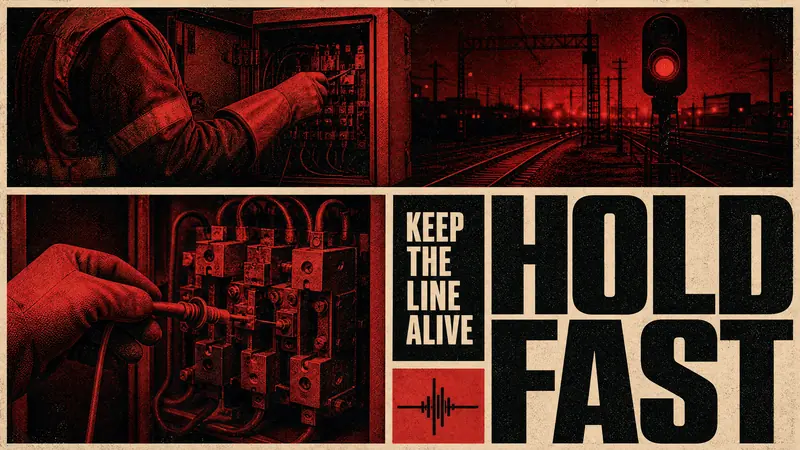
      "case_name": "signal-mechanic",
      "values": {
        "SUBJECT": "a railway signal mechanic with a side-lit silhouette and cropped torso",
        "SUBJECT_ACTION": "testing a heavy relay switch with one insulated hand",
        "PRODUCT_OR_PROP": "an anonymous relay unit with a single indicator lamp",
        "LOCATION": "a nighttime rail control room",
        "BACKGROUND_ELEMENTS": "dark cable runs, numbered but unreadable dials, one red signal glow",
        "MAIN_TEXT": "HOLD\nFAST",
        "SECONDARY_TEXT": "KEEP THE LINE ALIVE",
        "ACCENT_SYMBOL": "SINGLE PULSE BAR",
        "WARDROBE_STYLE": "dark rugged overshirt with rolled cuff"
      }
    }
  ]
}