Editorial + Minimal · AI image style prompt
Monochrome Tech-Grid Editorial
Severe black-and-white editorial posters with an oversized compressed headline, a dense technical micro-information grid, and one monumentally cropped documentary photograph.
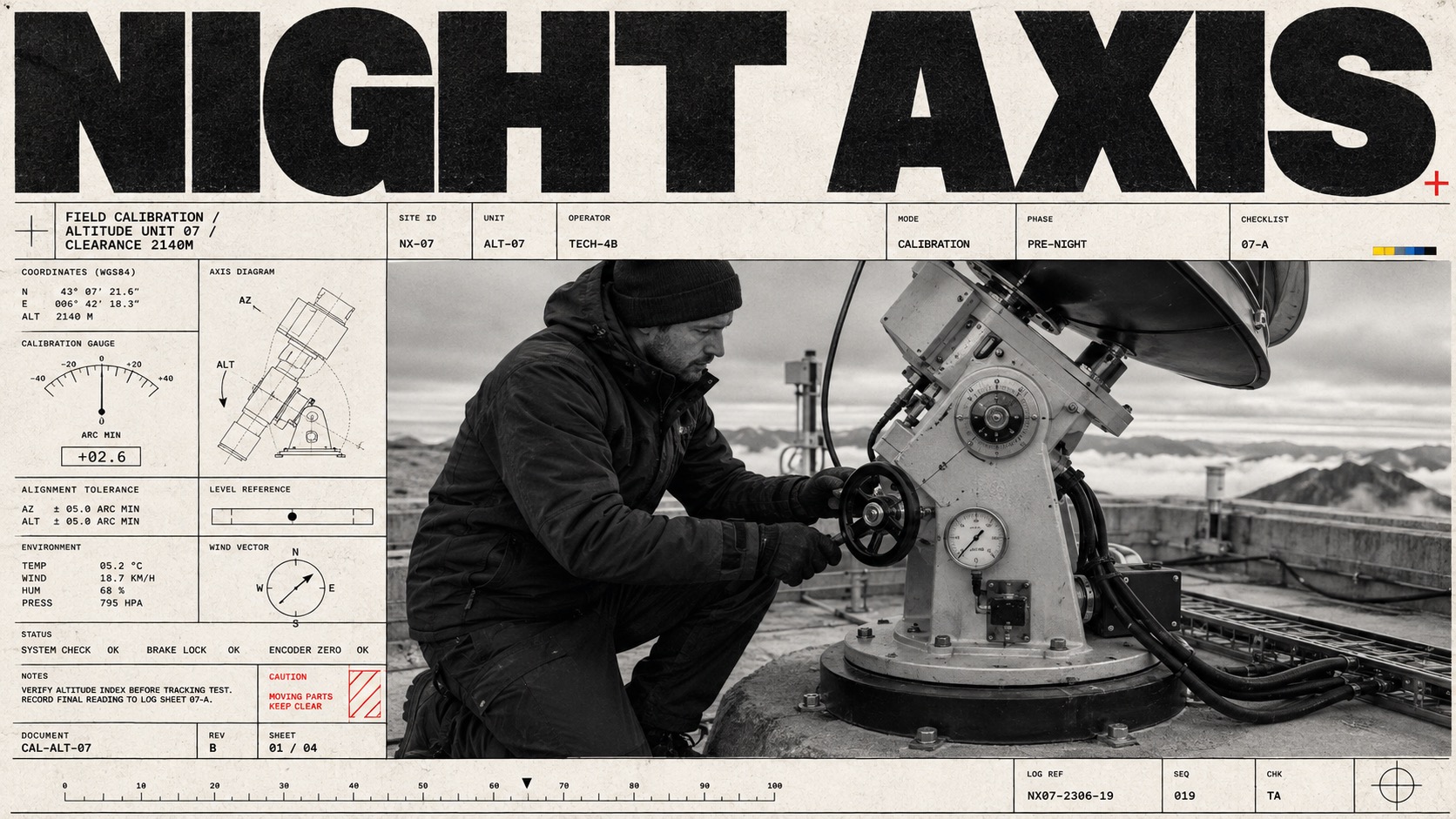
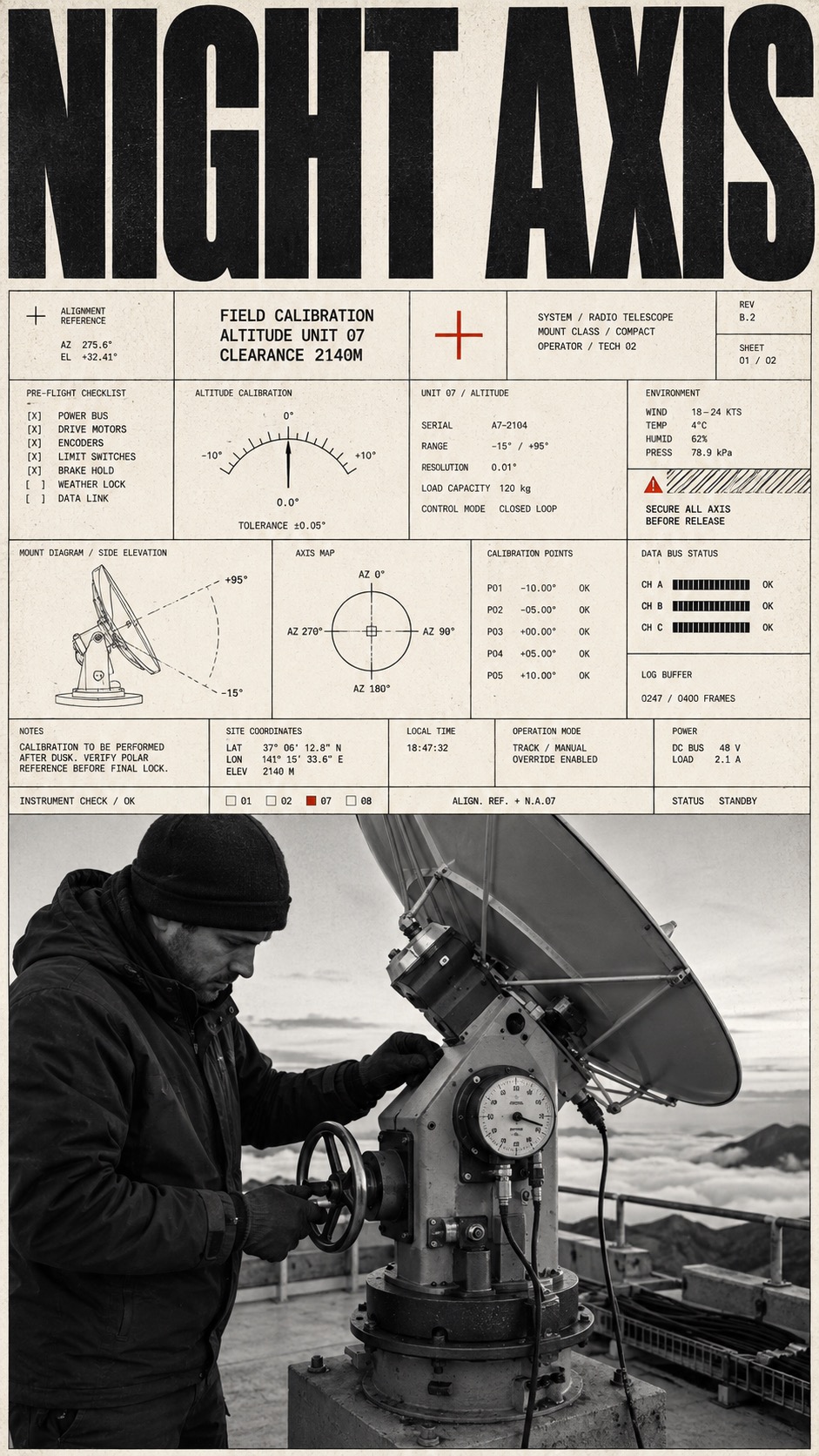
4 example cases
Same style.json, different subjects. Each case's values are in the examples section of the JSON.
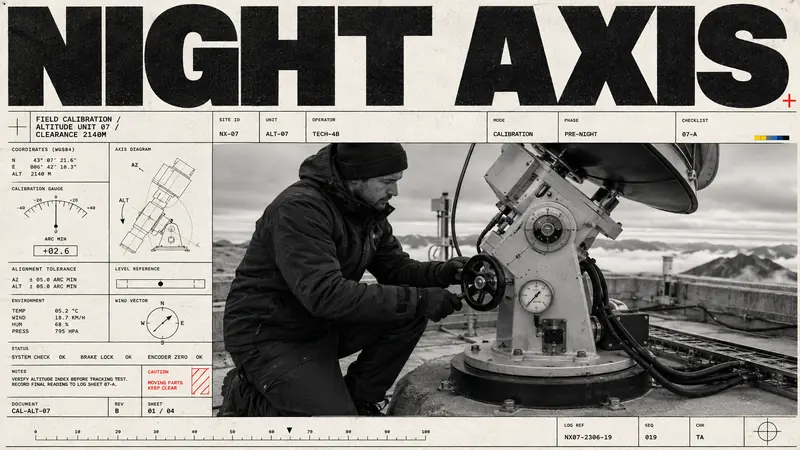
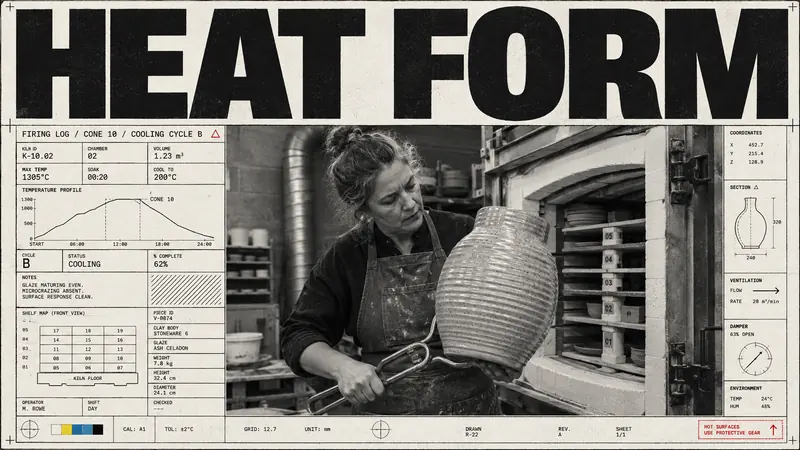
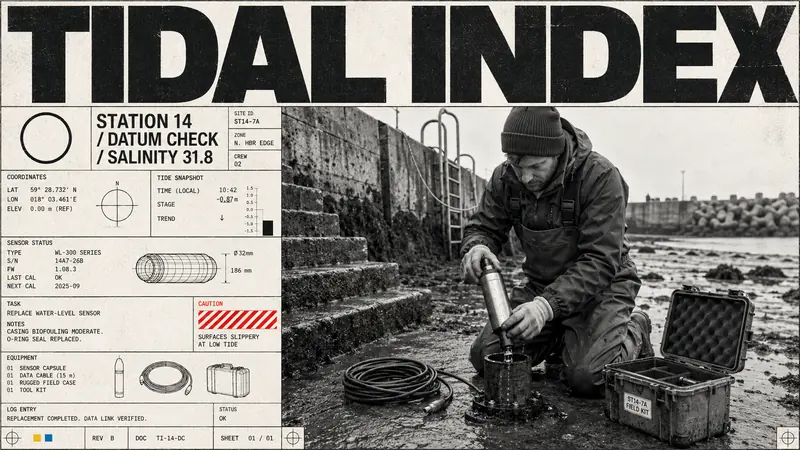
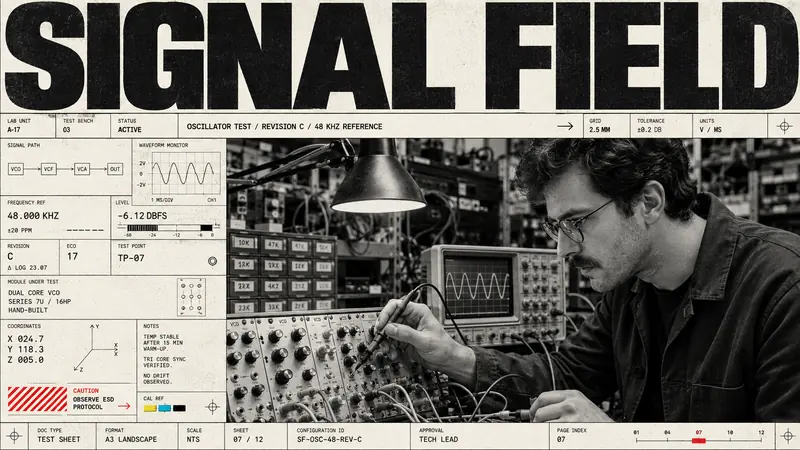
What this style does
A severe black-and-white editorial poster system that combines an oversized compressed headline, a dense modular field of technical micro-information, and one documentary photograph cropped with monumental scale. Off-white paper, distressed ink, thin rules, registration motifs, and a restrained safety-red accent make the layout feel like an experimental identity manual crossed with an archival industrial contact sheet.
Signature traits
- One immense black grotesk headline dominates the uppermost layer, tightly tracked and cropped close to the outer edges.
- A rigid Swiss-influenced modular grid of thin black rules divides the information zone into many unequal technical panels.
- The layout is intentionally dense yet disciplined, with tiny metadata contrasted against a single oversized word and a single oversized photograph.
- One high-contrast black-and-white documentary photograph occupies roughly the lower half in portrait formats or the dominant right/lower field in landscape formats.
- The photographed subject is cropped boldly at the frame edges and seen from a straightforward eye-level or slightly low documentary viewpoint.
- Typography combines an ultra-bold neo-grotesk display face with neutral small sans-serif labels and monospaced technical microcopy.
style.json
{
  "style_name": "Monochrome Tech-Grid Editorial",
  "style_slug": "monochrome-tech-grid-editorial",
  "style_version": "2.1",
  "style_summary": "A severe black-and-white editorial poster system that combines an oversized compressed headline, a dense modular field of technical micro-information, and one documentary photograph cropped with monumental scale. Off-white paper, distressed ink, thin rules, registration motifs, and a restrained safety-red accent make the layout feel like an experimental identity manual crossed with an archival industrial contact sheet.",
  "category": "Editorial + Minimal",
  "environment_variables": {
    "SUBJECT": "the principal person, object, or machine shown in the documentary photograph",
    "SUBJECT_ACTION": "the decisive action or working gesture captured in the photograph",
    "PRODUCT_OR_PROP": "the principal tool, instrument, or product associated with the subject",
    "LOCATION": "the real-world industrial, scientific, creative, or civic setting",
    "BACKGROUND_ELEMENTS": "a short list of secondary environmental details that support the scene",
    "MAIN_TEXT": "a short one- or two-word display headline",
    "SECONDARY_TEXT": "concise editorial metadata and technical microcopy",
    "ACCENT_SYMBOL": "a simple non-branded geometric mark used as a small accent",
    "WARDROBE_STYLE": "practical clothing, material styling, or surface treatment for the subject",
    "STYLE_FIDELITY_ANCHORS": "observable style traits that must remain visible",
    "SOURCE_CONTENT_TO_AVOID": "literal source content that generated samples must not recreate",
    "ASPECT_RATIO": "9:16 or 16:9"
  },
  "style_fidelity_anchors": [
    "One immense black grotesk headline dominates the uppermost layer, tightly tracked and cropped close to the outer edges.",
    "A rigid Swiss-influenced modular grid of thin black rules divides the information zone into many unequal technical panels.",
    "The layout is intentionally dense yet disciplined, with tiny metadata contrasted against a single oversized word and a single oversized photograph.",
    "One high-contrast black-and-white documentary photograph occupies roughly the lower half in portrait formats or the dominant right/lower field in landscape formats.",
    "The photographed subject is cropped boldly at the frame edges and seen from a straightforward eye-level or slightly low documentary viewpoint.",
    "Typography combines an ultra-bold neo-grotesk display face with neutral small sans-serif labels and monospaced technical microcopy.",
    "The palette is approximately 88 percent warm off-white, 10 percent charcoal black, and 2 percent controlled accents led by safety red with optional tiny yellow-blue calibration chips.",
    "Graphic grammar uses bar-like data bands, registration crosses, coordinate diagrams, outlined cells, arrows, serial numbers, and hatched warning blocks, but no scannable codes.",
    "Surfaces carry subtle photocopy grain, rubbed black ink, fine paper fibers, and slight analog misregistration while all important type remains readable.",
    "Lighting in the photograph is flat overcast or hard practical daylight, producing crisp tonal separation without cinematic color grading.",
    "The mood is utilitarian, archival, performance-minded, and quietly rebellious, like an experimental identity specimen sheet from an independent technical culture."
  ],
  "source_content_to_avoid": [
    "The literal vintage black rally car, racing driver, racetrack, roadside barrier, and motorsport action.",
    "The door number 553 and the exact side-on crop of the original vehicle.",
    "The words TenSecond, Subject Visual Identity, T-023, D.A.N., or any close paraphrase arranged in the same positions.",
    "Any racing-team sponsor decals, automotive brands, rally badges, windshield lettering, or recognizable company marks.",
    "The original warning notice, copyright notice, serial strings, dates, and designer credit.",
    "The original QR code, barcode data, creator signature, watermark, or identity mark.",
    "The exact coil illustration, globe icon, rectangular module arrangement, or red diagonal stripe block from the source.",
    "A story premise centered on a race entry, racing performance laboratory, or automobile identity package."
  ],
  "visual_deconstruction": {
    "overall_style_category": "Experimental modernist editorial identity sheet with industrial-documentary photography and technical-specimen graphics.",
    "composition_and_layout": "Three hierarchical strata: a headline nearly touches the top and side edges; an information grid fills the middle or side rail; a single photograph forms the visual ballast. Panels vary in size but align to a strict underlying grid.",
    "subject_placement": "The photographic subject is much larger than any diagram, partially exits the frame, and anchors the bottom in portrait or the right/lower area in landscape.",
    "camera_and_perspective": "Straight documentary perspective, 35–50 mm equivalent, eye-level or subtly low, with minimal lens drama and enough environment to establish context.",
    "typography_style": "Very large ultra-bold grotesk display lettering paired with compact Swiss sans labels and monospaced technical notations; strong scale contrast, tight tracking, left alignment, and occasional baseline cropping.",
    "color_palette_behavior": "Near monochrome on warm grey paper, with tiny red warning marks and an optional miniature yellow-blue calibration strip; accent colors never compete with the photograph or headline.",
    "graphic_elements": "Hairline panel dividers, outlined number cells, test bars, registration marks, calibration diagrams, serial labels, directional arrows, hatched warnings, and tiny abstract icons.",
    "texture_and_finish": "Dry offset ink, faint scratches, paper fibers, photocopy dust, and subtle edge wear; distress is tactile and controlled rather than glitchy.",
    "lighting": "The photograph uses decisive natural or practical light with deep blacks, pale highlights, and documentary clarity.",
    "mood_and_reference": "Austere European modernism meets independent industrial zine, archival field report, and experimental graphic identity manual.",
    "reusable_rules": "Always maintain the three-scale hierarchy, one dominant photograph, modular information architecture, warm off-white ground, restrained accent color, and technical-but-fictional metadata.",
    "things_to_avoid": "No colorful advertising polish, soft lifestyle minimalism, cinematic gradients, glossy 3D, scrapbook collage, illegible text soup, real brands, QR codes, or literal source imagery."
  },
  "composition": {
    "portrait_9x16": "Reserve about 15–20 percent for the headline, 28–34 percent for a dense modular information field, and 48–55 percent for the black-and-white photograph. Let the subject crop hard against the bottom and both sides.",
    "landscape_16x9": "Let the headline span the top 18–24 percent; arrange the technical information as a left rail and narrow interlocking top band totaling about one third of the frame; allow the photograph to dominate the right and lower field.",
    "hierarchy": "Headline first, photograph second, structured information texture third, rare red accent fourth.",
    "spacing": "Outer margins are narrow and mechanical. Use 1–2 pixel equivalent hairlines, small internal gutters, and a few carefully preserved blank cells for rhythm.",
    "crop_behavior": "Crop the main subject decisively rather than displaying it as a centered product cutout. The crop should feel editorial and accidental but remain legible."
  },
  "typography": {
    "display": "Ultra-heavy neo-grotesk or grotesk, black, very tight tracking, slightly compressed proportions, and optical edge cropping. Use one short word or two compact words.",
    "labels": "Neutral Swiss sans-serif in regular and semibold weights, left aligned, with small all-caps category labels.",
    "technical_copy": "Monospaced microtype for serials, coordinates, revision notes, and short factual fragments. Keep lines brief enough to remain readable.",
    "scale_relationship": "The display headline is roughly 12–20 times the cap height of metadata. A medium subhead bridges the two scales.",
    "text_integrity": "Render only the supplied short headline and concise supporting phrases; do not invent paragraphs of filler or pseudo-language."
  },
  "color_palette": {
    "paper_off_white": "#D9D9D4",
    "charcoal_ink": "#111716",
    "soft_graphite": "#4D504E",
    "safety_red": "#D71920",
    "calibration_yellow": "#E1C51A",
    "calibration_blue": "#1C4FA3",
    "proportions": "Use warm off-white and black for at least 97–98 percent of the frame. Limit safety red to one warning block or two tiny accents; yellow and blue may appear only as a miniature calibration strip."
  },
  "photographic_direction": {
    "rendering": "True black-and-white documentary photography integrated directly into the page rather than framed as a floating card.",
    "subject_scale": "Large, tangible, and cropped; surfaces, clothing, and tools should retain crisp physical detail.",
    "lens_and_angle": "35–50 mm documentary lens language from eye level or a subtle low angle, without fisheye distortion.",
    "contrast": "Deep charcoal shadows, controlled paper-white highlights, clear midtone separation, and no colored photographic tint.",
    "finish": "Fine press grain and restrained photocopy wear over the whole poster, with clean enough edges for technical legibility."
  },
  "design_rules": [
    "Begin with the giant headline and dominant photograph, then subdivide the remaining space into aligned information modules.",
    "Keep all technical data fictional, concise, and relevant to the new subject rather than borrowing identities or numbers from the source.",
    "Use diagrams as abstract structure and rhythm; they should not become decorative illustrations larger than the photograph.",
    "Confine red to one compact warning or directional gesture and any yellow-blue color chips to a single tiny calibration band.",
    "Maintain sharp alignment and readable type even when adding paper grain, worn ink, and slight misregistration.",
    "Adapt the module flow to the aspect ratio while preserving the same hierarchy and visual density."
  ],
  "do": [
    "Use one short, forceful display headline with strong black mass.",
    "Use one authentic-looking documentary scene with a bold edge crop.",
    "Create plausible fictional metadata, serial numbers, coordinates, and revision labels.",
    "Balance dense micro-information with a few empty cells so the grid can breathe.",
    "Keep the whole artifact tactile, printed, monochrome, and editorial."
  ],
  "avoid": [
    "Do not recreate any rally car, race number, racetrack, racing driver, or sponsor-covered vehicle.",
    "Do not reproduce original names, slogans, numeric identifiers, notices, logos, barcodes, or QR codes.",
    "Do not use neon palettes, glossy gradients, glassmorphism, 3D rendering, or cinematic color photography.",
    "Do not scatter random decorative widgets without alignment or information hierarchy.",
    "Do not let grain, scratches, or generative text artifacts destroy headline and label readability."
  ],
  "prompt_template": "Create a {ASPECT_RATIO} editorial poster in the \"Monochrome Tech-Grid Editorial\" visual style.\n\nSubject: {SUBJECT}\nAction: {SUBJECT_ACTION}\nProp/Product: {PRODUCT_OR_PROP}\nLocation: {LOCATION}\nBackground: {BACKGROUND_ELEMENTS}\nMain text: {MAIN_TEXT}\nSecondary text: {SECONDARY_TEXT}\nAccent symbol: {ACCENT_SYMBOL}\nWardrobe/styling: {WARDROBE_STYLE}\nStyle fidelity anchors: {STYLE_FIDELITY_ANCHORS}\nSource content to avoid: {SOURCE_CONTENT_TO_AVOID}\n\nMatch the style fidelity anchors before introducing content novelty. Build a severe Swiss-influenced three-scale hierarchy: an immense ultra-bold black neo-grotesk headline tight to the outer edges; a dense field of small technical modules separated by hairline rules; and one large black-and-white documentary photograph cropped decisively at the frame edges. For 9:16, stack headline, technical information field, then photograph so the photograph occupies roughly the lower half. For 16:9, let the headline span the top and combine a left information rail with a photograph dominating the right and lower field.\n\nUse warm off-white uncoated paper, charcoal-black ink, subtle dry-offset grain, fine scratches, rubbed edges, and only slight analog misregistration. Keep the photograph strictly monochrome with crisp documentary daylight, deep blacks, controlled pale highlights, and a straightforward 35–50 mm viewpoint. Use one tiny safety-red warning or directional block and, optionally, one miniature yellow-and-blue calibration strip; accents together must remain below three percent of the image.\n\nTypography must be intentional and readable: set the exact short headline \"{MAIN_TEXT}\" in oversized tightly tracked grotesk type; use \"{SECONDARY_TEXT}\" only as concise small supporting copy. Add a few plausible fictional serial numbers, coordinates, revision marks, outlined cells, data bars, registration crosses, line diagrams, the simple symbol {ACCENT_SYMBOL}, and hatched blocks. Do not add scannable QR codes, real barcodes, real logos, brands, watermarks, signatures, usernames, or creator marks.\n\nAvoid glossy 3D, gradients, colorful advertising, cinematic color grading, soft lifestyle minimalism, scrapbook collage, fisheye perspective, random UI widgets, excessive visual noise, fake paragraphs, illegible glyphs, and any literal source content. Important content rule: preserve the visual system and density while changing the subject, action, prop, setting, text, identity, and story premise completely.",
  "negative_prompt": "rally car, racecar, motorsport, racetrack, racing driver, door number 553, sponsor decals, TenSecond, T-023, original identity copy, copied layout modules, QR code, scannable barcode, watermark, signature, creator name, real logo, brand mark, glossy 3D render, neon palette, gradient, cinematic color photo, lifestyle advertising, scrapbook collage, chaotic UI, excessive glitch, heavy noise, text soup, illegible headline, distorted typography, fake paragraphs, fisheye, centered product cutout",
  "examples": [
    {
      "case_name": "observatory-night-shift",
      "values": {
        "SUBJECT": "an observatory technician beside a compact radio telescope mount",
        "SUBJECT_ACTION": "tightening the altitude mechanism before a night calibration",
        "PRODUCT_OR_PROP": "a hand wheel, calibration gauge, and compact telescope assembly",
        "LOCATION": "a windswept mountain observatory platform at dusk",
        "BACKGROUND_ELEMENTS": "low guardrails, distant cloud layers, cable trays, and concrete decking",
        "MAIN_TEXT": "NIGHT AXIS",
        "SECONDARY_TEXT": "FIELD CALIBRATION / ALTITUDE UNIT 07 / CLEARANCE 2140M",
        "ACCENT_SYMBOL": "+",
        "WARDROBE_STYLE": "dark insulated utility jacket, plain work trousers, and protective gloves with no logos"
      }
    },
    {
      "case_name": "ceramic-heat-study",
      "values": {
        "SUBJECT": "a ceramic artist carrying a newly fired stoneware vessel",
        "SUBJECT_ACTION": "checking the glaze surface beside an open kiln",
        "PRODUCT_OR_PROP": "a large ribbed stoneware vessel and metal kiln tongs",
        "LOCATION": "a compact industrial ceramics workshop",
        "BACKGROUND_ELEMENTS": "kiln bricks, numbered shelves, clay dust, ventilation ducting, and stacked molds",
        "MAIN_TEXT": "HEAT FORM",
        "SECONDARY_TEXT": "FIRING LOG / CONE 10 / COOLING CYCLE B",
        "ACCENT_SYMBOL": "△",
        "WARDROBE_STYLE": "heavy cotton apron over a dark collarless work shirt, unbranded and practical"
      }
    },
    {
      "case_name": "tidal-sensor-service",
      "values": {
        "SUBJECT": "a coastal field scientist kneeling beside a tidal monitoring station",
        "SUBJECT_ACTION": "replacing a cylindrical water-level sensor during low tide",
        "PRODUCT_OR_PROP": "a sealed sensor capsule, rugged field case, and coiled data cable",
        "LOCATION": "a concrete harbor edge exposed at low tide",
        "BACKGROUND_ELEMENTS": "wet steps, tidal marks, steel ladders, rope lines, and distant breakwater blocks",
        "MAIN_TEXT": "TIDAL INDEX",
        "SECONDARY_TEXT": "STATION 14 / DATUM CHECK / SALINITY 31.8",
        "ACCENT_SYMBOL": "○",
        "WARDROBE_STYLE": "rubberized field coat, chest waders, and plain protective gloves without insignia"
      }
    },
    {
      "case_name": "analog-signal-bench",
      "values": {
        "SUBJECT": "an audio electronics engineer at a crowded analog test bench",
        "SUBJECT_ACTION": "probing a hand-built synthesizer module while watching an oscilloscope trace",
        "PRODUCT_OR_PROP": "a modular synthesizer panel, oscilloscope, and precision probe",
        "LOCATION": "a small independent electronics laboratory",
        "BACKGROUND_ELEMENTS": "patch cables, perforated metal drawers, labeled component bins, and a task lamp",
        "MAIN_TEXT": "SIGNAL FIELD",
        "SECONDARY_TEXT": "OSCILLATOR TEST / REVISION C / 48 KHZ REFERENCE",
        "ACCENT_SYMBOL": "→",
        "WARDROBE_STYLE": "dark chore coat over a plain crew-neck shirt, functional and logo-free"
      }
    }
  ]
}