Editorial + Minimal · AI image style prompt
Slice Signal Editorial
Experimental editorial posters with oversized condensed headlines, scarlet blocks, and photograph subjects cut by vertical slices.
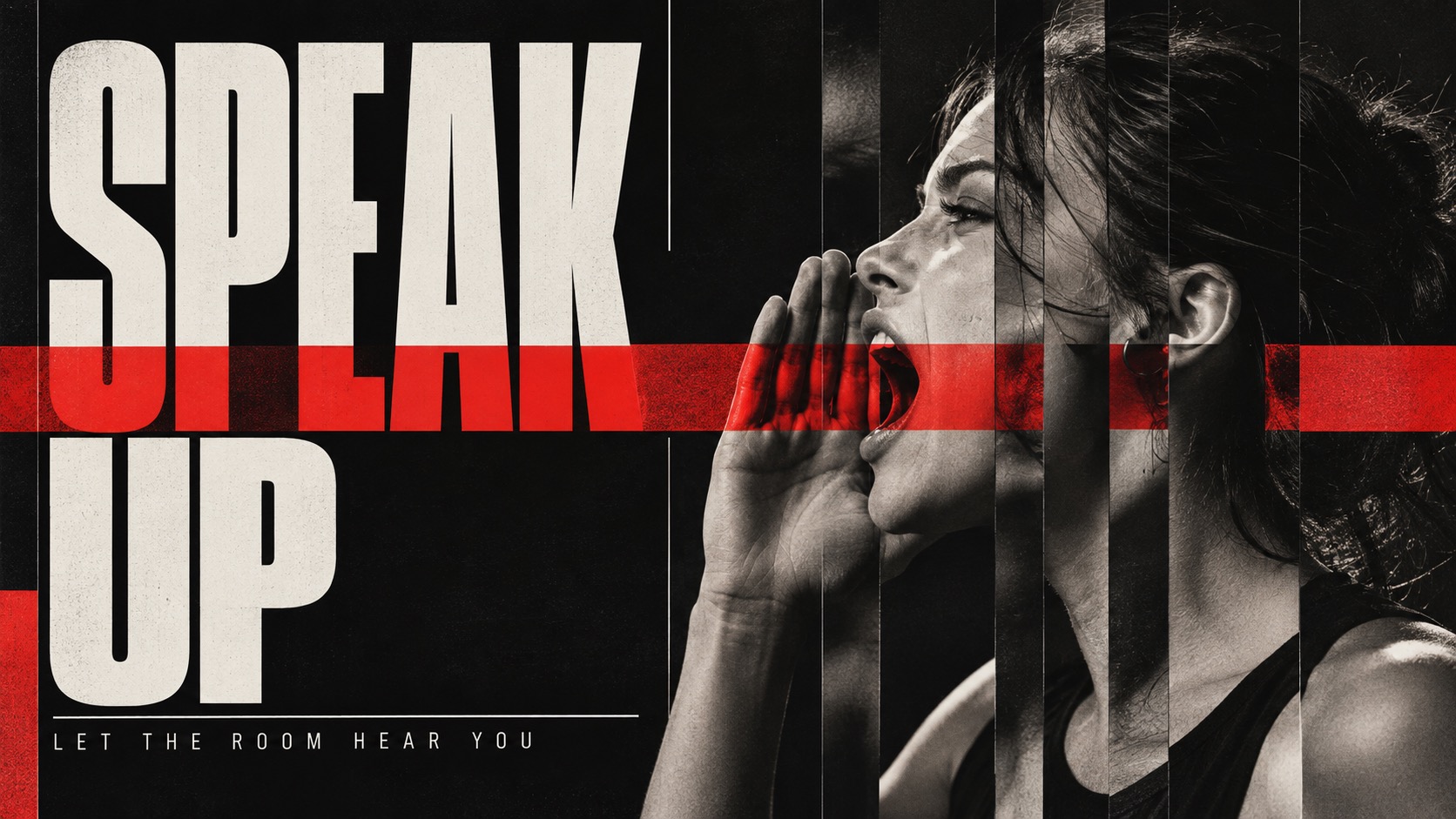
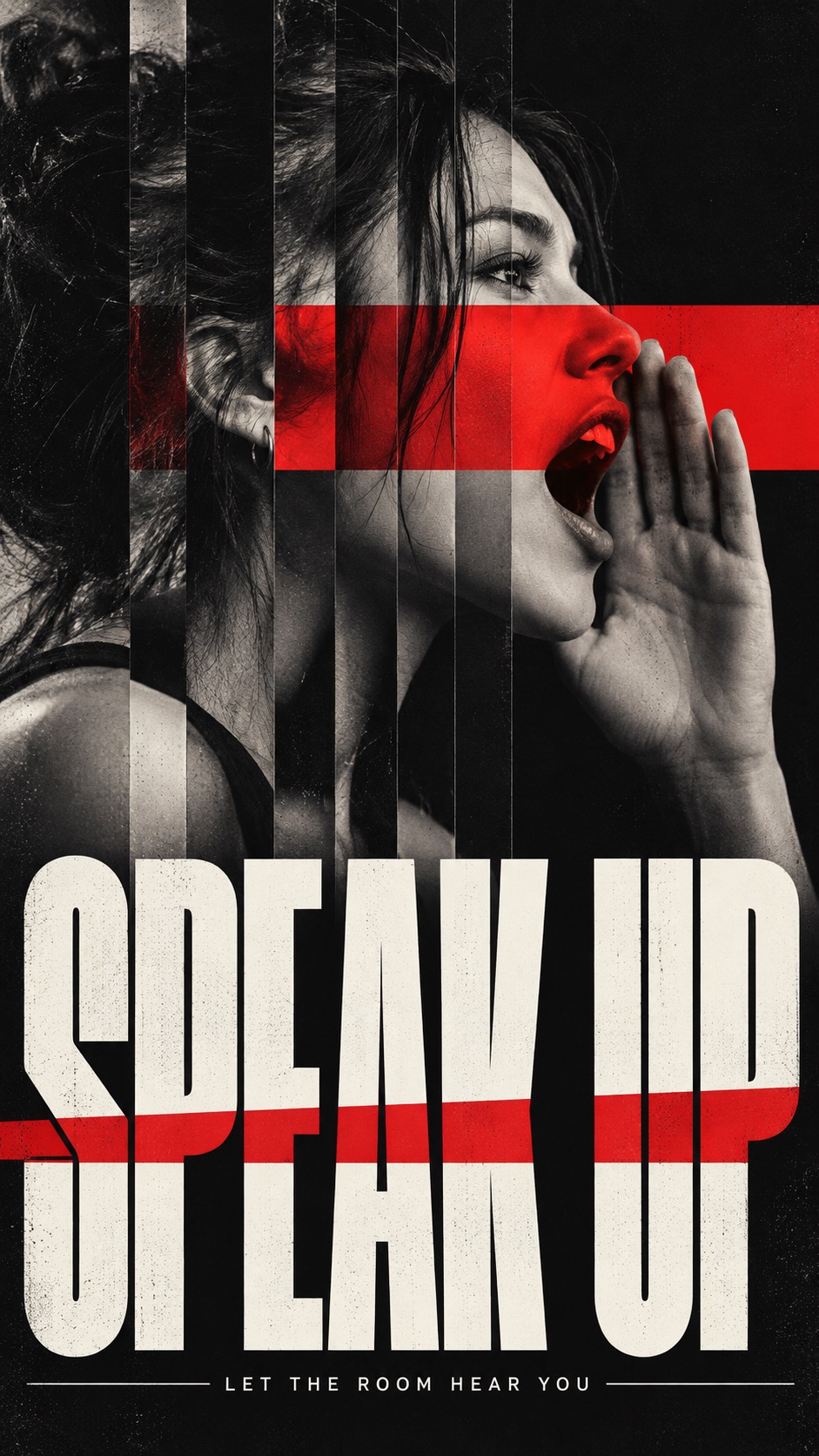
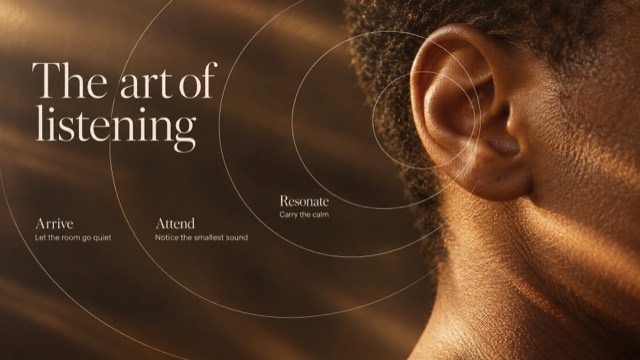
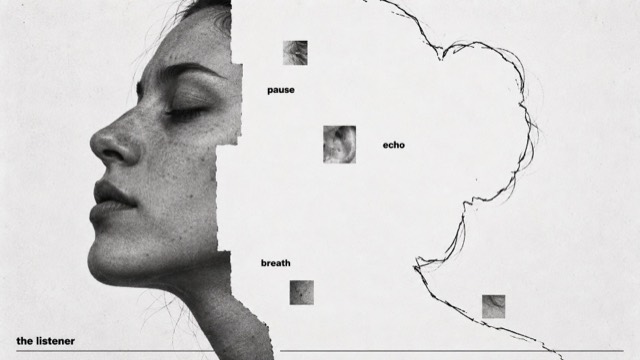
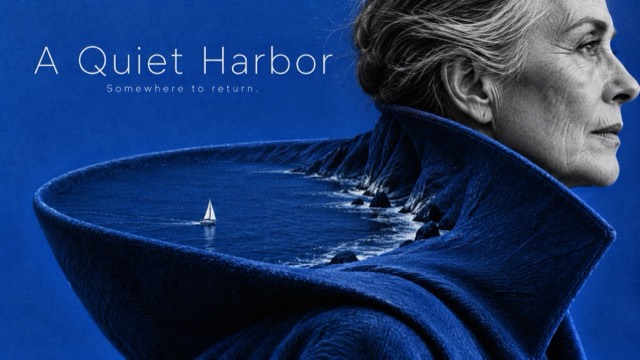
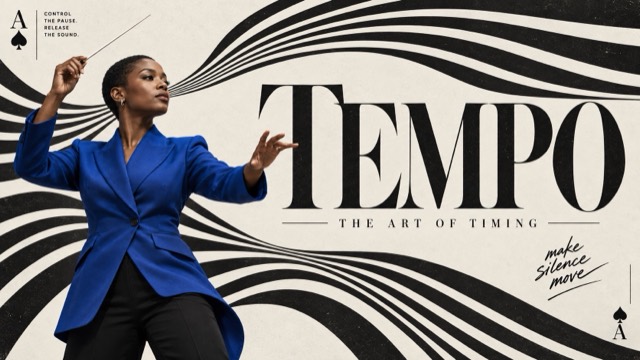
4 example cases
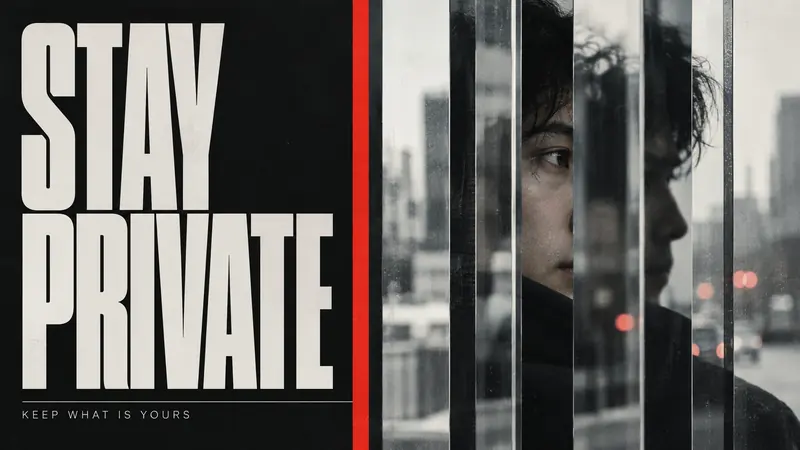
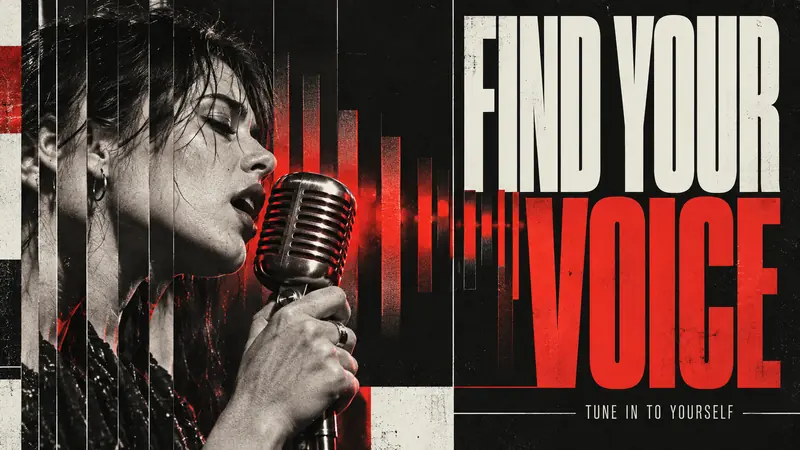
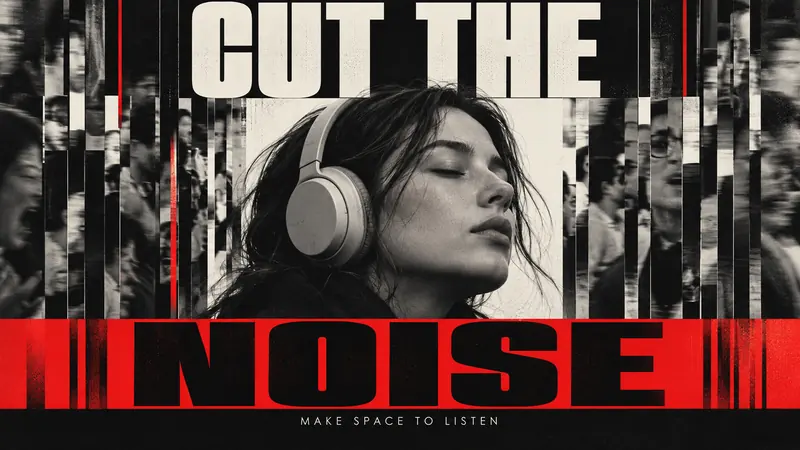
Same style.json, different subjects. Each case's values are in the examples section of the JSON.
What this style does
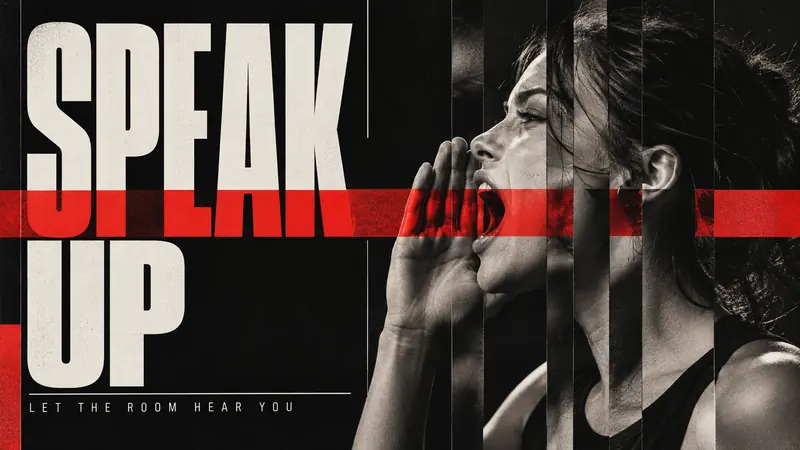
Restrained, sharp experimental editorial posters built from oversized condensed headlines, black-white-and-scarlet blocks, and photographic subjects interrupted by vertical slices.
Signature traits
- Oversized uppercase condensed grotesk display type is a primary structural element, with forceful narrow proportions and strong contrast against quieter fields; keep at least one complete phrase readable.
- Treat a realistic photographic person, object, or scene with narrow vertical shutter-like slices that selectively shift, stretch, repeat, or interrupt image bands while leaving the subject recognizable.
- Build a stark palette from near-black, cool off-white, and one decisive signal-red accent; vary their proportions while keeping the overall contrast sharp.
- Use hard rectangular fields, abrupt horizontal cuts, and fine divider lines to organize the image like a tightly edited print poster.
- Pair the giant display title with a restrained secondary line in small clean sans-serif or slim italic lettering; it remains subordinate and intentional.
- Keep type fields crisp and graphic while any scan-like grain or softness stays subtle and localized to the photographic image.
style.json
{
  "style_version": "1.0.0",
  "style_name": "Slice Signal Editorial",
  "style_slug": "slice-signal-editorial",
  "style_summary": "Restrained, sharp experimental editorial posters built from oversized condensed headlines, black-white-and-scarlet blocks, and photographic subjects interrupted by vertical slices.",
  "environment_variables": {
    "ASPECT_RATIO": "9:16 or 16:9",
    "STYLE_FIDELITY_ANCHORS": "Prioritized style anchors",
    "SOURCE_CONTENT_TO_AVOID": "Original content to replace",
    "SUBJECT": "The person, object, or scene that carries this case",
    "ACTION": "The visible action or visual state of the subject",
    "MAIN_TEXT": "Exact large headline",
    "SECONDARY_TEXT": "Exact small supporting line",
    "DESIGN_DIRECTION": "Case-specific concept, composition, and slice interaction",
    "SUBJECT_ACTION": "How the photographic subject is interrupted by vertical slices",
    "PRODUCT_OR_PROP": "Scarlet block or sliced photographic fragment",
    "LOCATION": "Black, white and scarlet editorial field",
    "BACKGROUND_ELEMENTS": "Vertical slice interruptions and hard color planes",
    "ACCENT_SYMBOL": "Scarlet signal block",
    "WARDROBE_STYLE": "Clothing remaining in the sliced photographic subject"
  },
  "style_fidelity_anchors": [
    "[CORE] Oversized uppercase condensed grotesk display type is a primary structural element, with forceful narrow proportions and strong contrast against quieter fields; keep at least one complete phrase readable.",
    "[CORE] Treat a realistic photographic person, object, or scene with narrow vertical shutter-like slices that selectively shift, stretch, repeat, or interrupt image bands while leaving the subject recognizable.",
    "[CORE] Build a stark palette from near-black, cool off-white, and one decisive signal-red accent; vary their proportions while keeping the overall contrast sharp.",
    "[CORE] Use hard rectangular fields, abrupt horizontal cuts, and fine divider lines to organize the image like a tightly edited print poster.",
    "[CORE] Pair the giant display title with a restrained secondary line in small clean sans-serif or slim italic lettering; it remains subordinate and intentional.",
    "[CORE] Keep type fields crisp and graphic while any scan-like grain or softness stays subtle and localized to the photographic image.",
    "[FLEX] Let each case decide the crop, band lengths, offset rhythm, title placement, and whether the red accent interrupts, frames, or redirects the subject.",
    "[FLEX] Recompose portrait and landscape independently; change the type-image balance and negative space to serve the same case concept in each ratio."
  ],
  "source_content_to_avoid": [
    "The source wording YOUR MOUTH., EVERYONE GOSSIPS, and shhh!!! everyone's talking behind your back.",
    "The source person's identity, face, hairstyle, expression, clothing, and exact front-facing portrait.",
    "The source poster's fixed centered face, uniform long vertical slit overlay, black frame, and red band across the lower portion as one copied layout.",
    "The source's literal gossip and whisper-behind-someone's-back story premise."
  ],
  "visual_deconstruction": {
    "source": "A narrow poster sets enormous pale condensed lettering against black at the top, tiny editorial labels below it, then a photographic face broken by long narrow vertical bands. Cool pale side fields and a saturated red lower field create an abrupt color interruption; a small italic sentence closes the black footer.",
    "hierarchy": "The oversized title establishes the poster's voice first, the fragmented photographic subject creates a second focal plane, and small supporting copy provides a quiet editorial finish.",
    "graphic_language": "Vertical image slits, sharp rectangular color fields, thin horizontal rules, and deliberate crop changes create a sense of interrupted communication."
  },
  "composition": {
    "principle": "Make typography and a sliced photographic subject share the poster's structure, then use clean fields and one red interruption to establish a clear focal path.",
    "adaptation": "The layout may stack, split, or stretch across the frame. Give each case a distinct title-image relationship, and rebuild that relationship for portrait or landscape instead of cropping one layout."
  },
  "typography": {
    "form": "Oversized uppercase condensed grotesk display lettering with tall, tightly packed forms and crisp edges; supporting copy uses a small clean sans-serif or restrained italic.",
    "hierarchy": "One short exact headline dominates. A single small supporting line may sit near an edge or divider. Keep both legible and do not add filler copy."
  },
  "color_palette": {
    "frame": "Near-black and cool off-white form the primary high-contrast fields.",
    "accent": "Signal red appears as one decisive block, bar, or narrow interruption, with freedom to shift its area and position."
  },
  "image_treatment": {
    "type": "Editorial photography with a deliberate vertical shutter-slice treatment, integrated into hard-edged poster fields.",
    "texture": "Subtle scan grain and slight tonal softness may live inside the photograph only; lettering and flat color blocks stay clean, unaged, and sharply bounded.",
    "light": "Controlled high-contrast portrait or object lighting with readable tonal detail through the slices; keep skin and object materials plausible."
  },
  "design_rules": [
    "Make the case concept visibly change how the title, subject, and vertical bands interact.",
    "Keep the photographic subject recognizable; vary slice width and offsets instead of obscuring every essential feature.",
    "Render only the exact main and secondary copy supplied by the case, with no invented labels, logos, or extra slogans.",
    "Keep the red accent deliberate and visually connected to the case concept rather than using it as decoration without purpose.",
    "Adapt composition and empty space independently for each output ratio while preserving the same case idea."
  ],
  "do": [
    "Use large typographic scale changes, abrupt cuts, and restrained negative space.",
    "Allow selected image bands to shift or stretch in a controlled, intentional rhythm.",
    "Use the subject's action or state to shape the slicing pattern and red interruption."
  ],
  "avoid": [
    "Reconstructing the reference's exact title, footer, portrait position, or red lower block.",
    "Unreadable letterforms, accidental extra text, fake brand marks, or decorative logo-like symbols.",
    "Random digital corruption, full-frame pixel noise, heavy distress, or slicing so dense that the subject disappears."
  ],
  "prompt_template": "Create a finished experimental editorial poster in {ASPECT_RATIO}.\n{STYLE_FIDELITY_ANCHORS}\nSubject: {SUBJECT}. Visible action or state: {ACTION}.\nRender the exact main headline {MAIN_TEXT} once in oversized uppercase condensed grotesk lettering. Render the exact small supporting line {SECONDARY_TEXT} once. These are the only words in the image; preserve spelling and do not add punctuation or filler copy.\nCase design direction: {DESIGN_DIRECTION}\nDevelop a fresh composition from the case concept. Use selected vertical shutter-like image bands as an intentional graphic structure, not a uniform filter, and let their rhythm interact with the headline and signal-red accent. Preserve a recognizable subject, sharp type edges, strong near-black/cool-off-white contrast, clean hard-edged fields, and useful negative space. Recompose specifically for the requested ratio. Exclude: {SOURCE_CONTENT_TO_AVOID}.",
  "negative_prompt": "No source wording, copied poster layout, source-person identity, gossip scene, logos, brand names, watermarks, extra text, misspelled headline, pseudo-lettering, QR codes, UI, random glitch blocks, full-frame pixel noise, heavy grunge, sepia aging, unreadable face, or dense slices that erase the subject.",
  "examples": [
    {
      "case_name": "speak-up",
      "values": {
        "SUBJECT": "A young adult woman in a strong side profile, face and shoulders lit against near-black, one hand cupped beside her mouth",
        "ACTION": "calling out with a clear open-mouth expression and a grounded, confident posture",
        "MAIN_TEXT": "SPEAK UP",
        "SECONDARY_TEXT": "LET THE ROOM HEAR YOU",
        "DESIGN_DIRECTION": "Make the voice feel like a physical interruption: a signal-red horizontal slab cuts through selected vertical face slices and breaks the headline's baseline, while the full phrase remains readable. Keep the portrait dynamic and distinct from a centered straight-on source portrait."
      }
    },
    {
      "case_name": "stay-private",
      "values": {
        "SUBJECT": "A young adult man seen through reflective glass, with one calm eye and part of his profile visible among layered reflections",
        "ACTION": "looking away from the viewer as if choosing what to keep unseen",
        "MAIN_TEXT": "STAY PRIVATE",
        "SECONDARY_TEXT": "KEEP WHAT IS YOURS",
        "DESIGN_DIRECTION": "Use uneven vertical reflection bands as a privacy veil: let a few slices reveal the eye while others slide sideways into cool off-white negative space. Place a narrow signal-red divider like a boundary, not a censor bar, and give the headline a quiet, protected pocket of space."
      }
    },
    {
      "case_name": "find-your-voice",
      "values": {
        "SUBJECT": "A young adult singer in profile holding an unbranded vintage handheld microphone close to the face",
        "ACTION": "singing into the microphone with focused intensity",
        "MAIN_TEXT": "FIND YOUR VOICE",
        "SECONDARY_TEXT": "TUNE IN TO YOURSELF",
        "DESIGN_DIRECTION": "Let the microphone become the sharp focal anchor while vertical photographic bands lengthen outward like a measured sound signal. The red accent should pulse from the microphone into the type field; compose the long headline as a sculptural stacked or side-running form without obscuring the singer."
      }
    },
    {
      "case_name": "cut-the-noise",
      "values": {
        "SUBJECT": "A young adult wearing plain over-ear headphones, eyes closed, shown in a close three-quarter portrait",
        "ACTION": "listening quietly while the surrounding space feels crowded and loud",
        "MAIN_TEXT": "CUT THE NOISE",
        "SECONDARY_TEXT": "MAKE SPACE TO LISTEN",
        "DESIGN_DIRECTION": "Compress several misaligned portrait bands around the head, then open a clean off-white or black negative-space pocket around the headphones. A signal-red bar should visibly stop the surrounding visual noise. Build the title in a strong split hierarchy, distinct from the other cases' image-text relationships."
      }
    }
  ],
  "category": "Editorial + Minimal"
}